For years, the scariest thing in DeFi was a bug in your smart contract. In 2026, it isn't. The biggest threat to your protocol is no longer your code, it's your credentials. Compromised accounts now cause more than half of all DeFi losses by incident count, overtaking classic smart-contract exploits for the first time. And roughly 76% of the funds stolen this year trace to state-backed actors linked to the Lazarus Group. Understanding this shift is the single highest-leverage security decision most teams can make.
The threat moved from the code to the humans
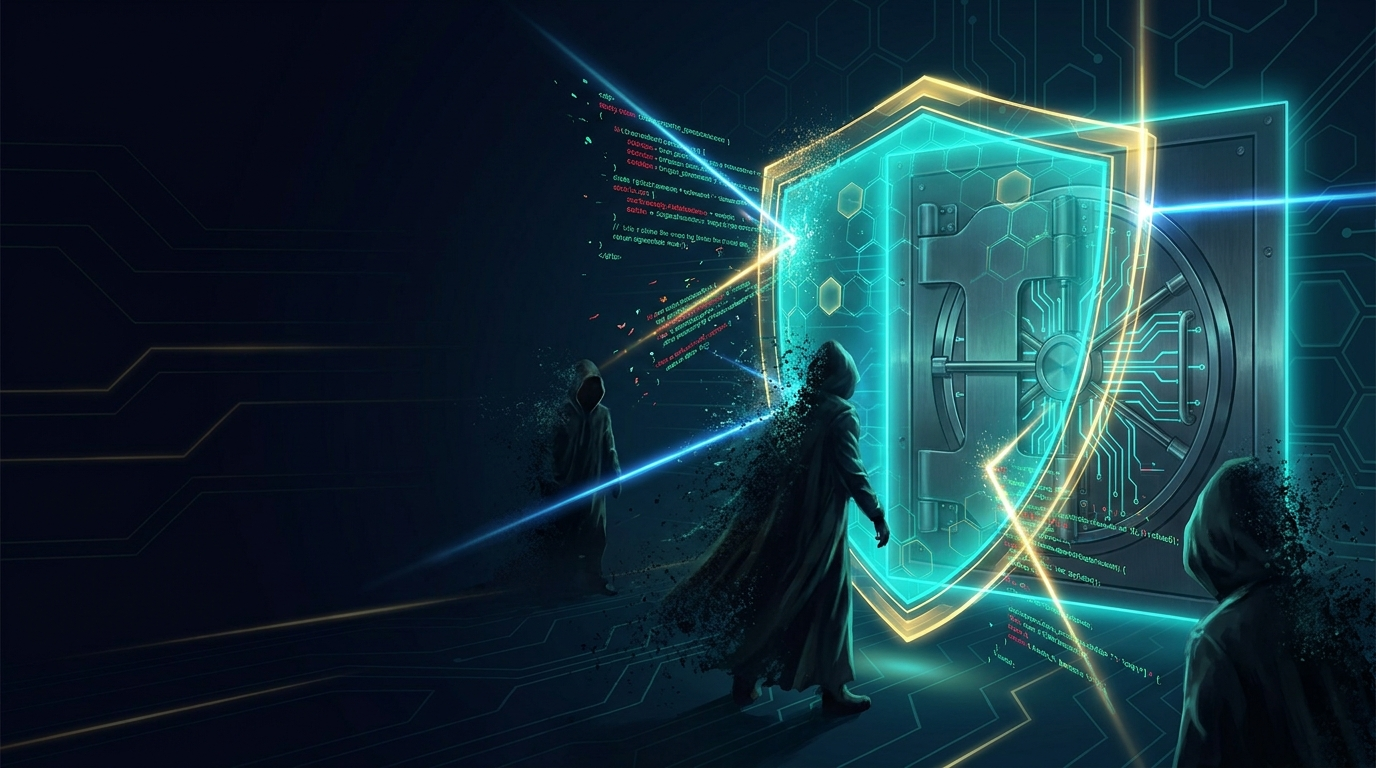
A smart contract audit certifies your code at a moment in time. It does not stop a phishing campaign, a compromised laptop, a stolen cloud key, or a fake job interview that hands an attacker your ops engineer's access. The largest incidents of 2026, from Drift to KelpDAO, were not broken by exotic Solidity bugs. They were broken through people, permissions and access. The contracts then did exactly what they were written to do, on instructions they should never have accepted.
Why Lazarus is so effective
State-backed groups are patient and well-resourced. They do not need to out-code your auditors. They target the softest layer: the humans and the operational controls around the contract. Social engineering, credential theft and long-game infiltration are cheaper and more reliable than finding a zero-day, which is exactly why they now account for the majority of stolen value. If your security posture assumes the attacker's only route is your bytecode, you have left the most-used door unlocked.
What actually reduces the risk
Closing this gap means treating access and operations as in-scope, not an afterthought. That includes higher, properly isolated multisig thresholds so one compromised signer cannot move funds; timelocks and guardian roles on upgrades so an instant drain becomes a detectable, pausable event; least-privilege admin design; disciplined key management; and real-time monitoring that can auto-pause on an abnormal action before funds leave. Code correctness still matters, but it is now one layer of several.
What a senior-led review covers beyond the Solidity
A meaningful review maps every privileged function and asks who controls it and what stops them, tests the protocol under a compromised-key scenario, examines bridge and cross-chain trust assumptions, and checks whether valuations can be manipulated under flash-loan pressure. That is the difference between "we got audited" and "we are actually defended." Explore our smart contract audit and blockchain audit services.
Frequently asked questions
Why do audited protocols still get hacked in 2026?
Because most losses now come from compromised access and operational failures, which a code-only audit is not designed to catch.
Who is behind most DeFi theft this year?
State-backed groups linked to the Lazarus Group are attributed with roughly 76% of crypto funds stolen in 2026, largely through credential theft and social engineering rather than code exploits.
How do you defend against credential-based attacks?
Isolated multisig signers, upgrade timelocks and guardian roles, least-privilege access, strong key management, and real-time monitoring with auto-pause, all stress-tested in a senior-led review.
If access and operations have never been stress-tested against a determined attacker, that is where to start. Request a senior-led audit.